Blogs
What's New Trending

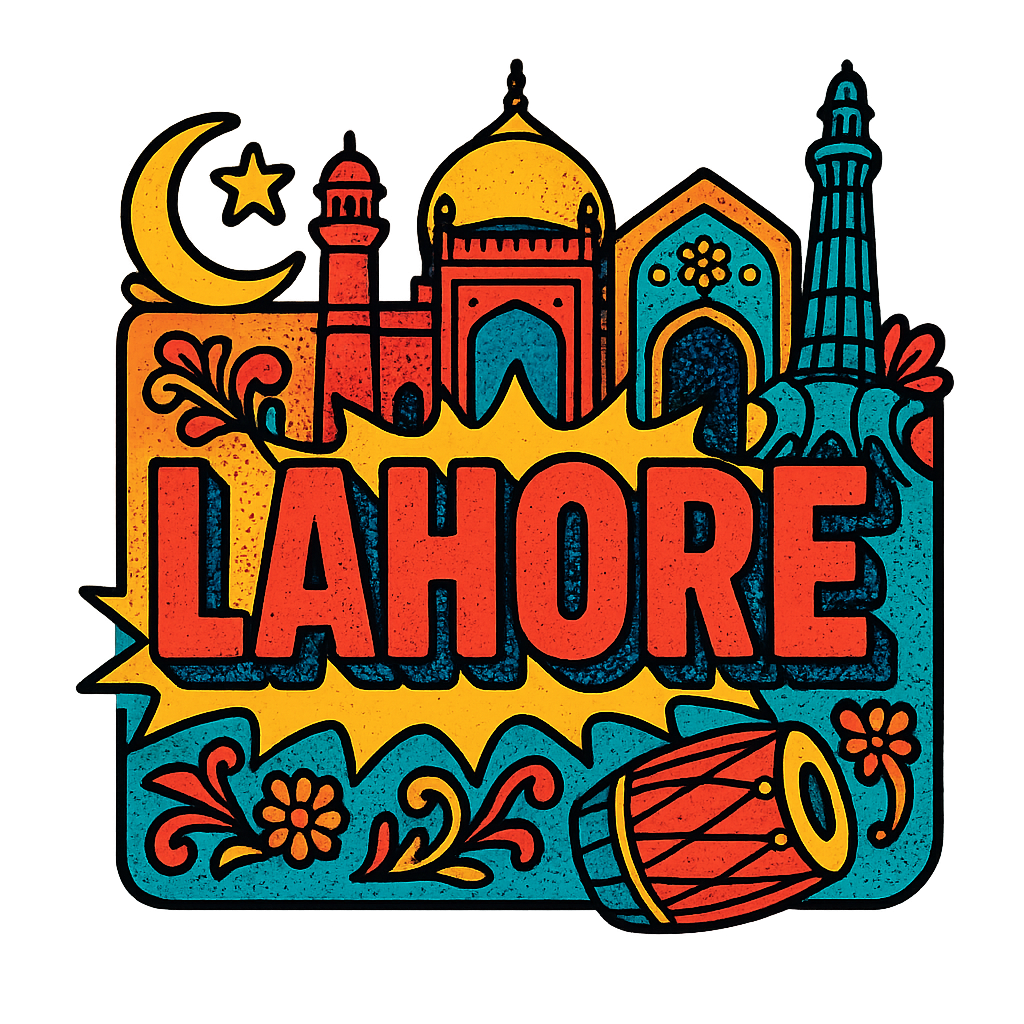

Lahore is one of the most historic, vibrant, and culturally rich cities in South Asia. It is the capital of the Pakistani province of Punjab and the second-largest city of Pakistan after Karachi. Known as the “Heart of Pakistan,” Lahore is famous for its deep history, lively culture, delicious food, and significant role in politics, education, and the arts. The city lies near the border with India and has served as an important cultural and trade center for centuries.
Lahore has a long and fascinating history that stretches back more than a thousand years. Some historical accounts even suggest that the city may have existed over two thousand years ago. Throughout its history, Lahore has been ruled by many different dynasties and empires, each leaving a unique mark on the city.
During the medieval period, Lahore became an important center under the rule of the Mughal Empire. Mughal emperors such as Akbar, Jahangir, and Shah Jahan greatly developed the city by building magnificent forts, gardens, and mosques. Many of Lahore’s most famous landmarks were built during this time.
One of the most notable historical sites is the Lahore Fort, a grand fortress that reflects the architectural brilliance of the Mughal period. Nearby stands the beautiful Badshahi Mosque, built during the reign of Aurangzeb in the 17th century. It remains one of the largest mosques in the world and an iconic symbol of Lahore.
After the Mughal period, Lahore came under the rule of the Sikh Empire led by Maharaja Ranjit Singh. Later, the city became part of the British Empire in the 19th century. During British rule, Lahore developed modern infrastructure, educational institutions, and administrative buildings.
Lahore also played a crucial role in the independence movement of the Indian subcontinent. In 1940, the historic Lahore Resolution was passed at Minar-e-Pakistan, calling for the creation of a separate homeland for Muslims. This eventually led to the creation of Pakistan in 1947.
Lahore is widely considered the cultural capital of Pakistan. The city is famous for its literature, poetry, music, art, and festivals. Many renowned poets, writers, and artists have lived and worked in Lahore.
One of the most celebrated intellectual figures associated with the city is Allama Muhammad Iqbal, who is regarded as the national poet of Pakistan. His philosophical poetry inspired the idea of a separate Muslim state in South Asia.
Lahore is also famous for its vibrant festivals. One of the most colorful events is Basant, which celebrates the arrival of spring with kite flying, music, and traditional food. Although the festival has faced restrictions in recent years, it remains an important cultural memory for Lahoris.
The city is also known for its hospitality and lively lifestyle. The phrase “Lahore Lahore ae” (Lahore is Lahore) is often used to express the unique charm and spirit of the city.
Lahore is an important educational center in Pakistan. The city is home to some of the country’s most prestigious universities and colleges. Among them is University of the Punjab, which is one of the oldest and largest universities in Pakistan.
Another famous institution is Government College University, known for producing many prominent scholars, politicians, and writers. In addition, Lahore University of Management Sciences (LUMS) is recognized internationally for its high-quality education and research.
These institutions attract students from all over Pakistan and even from other countries, making Lahore a center for intellectual and academic activity.
Lahore is often called the food capital of Pakistan. The city offers a wide variety of traditional dishes and street food that reflect the rich culinary heritage of Punjab. The famous Gawalmandi Food Street and Fort Road Food Street are popular places where people gather to enjoy local cuisine.
Some of the most popular dishes in Lahore include Biryani, Nihari, Haleem, and Gol gappa. Lahori cuisine is known for its rich flavors, spices, and generous portions.
Lahore is filled with remarkable historical buildings and architectural wonders. The Shalimar Gardens, built during the Mughal era, are a UNESCO World Heritage Site and a fine example of Mughal garden design.
Another important site is the Walled City of Lahore, which contains narrow streets, traditional houses, markets, and centuries-old mosques. Walking through the Walled City gives visitors a glimpse of Lahore’s rich past.
Modern Lahore also features impressive developments such as wide roads, shopping malls, and residential areas. The city continues to grow while maintaining its historical heritage.
Today, Lahore is a major economic and cultural hub in Pakistan. It has a population of over 11 million people and continues to expand rapidly. The city has modern transportation systems, including the Lahore Metrobus and the Lahore Orange Line Metro Train, which help millions of commuters travel across the city.
Lahore is also an important center for media, fashion, and entertainment. Many television channels, film studios, and fashion designers operate from the city. The revival of Pakistani cinema has also been strongly connected to Lahore.
In conclusion, Lahore is a city that beautifully blends history, culture, and modern development. From the majestic Mughal monuments to its bustling markets and lively food streets, Lahore offers a unique experience that reflects the spirit of Pakistan. Its historical significance, educational institutions, cultural traditions, and warm hospitality make it one of the most important and beloved cities in the country. For many people, Lahore is not just a city but a symbol of heritage, creativity, and national pride.
Leave a Reply